
IQ Masters - Brain Games
Deep Flow Apps
Downloads
10,000,000+
Source
Google Play
Advertisement
Click to download now, finish the installation quickly, and directly unlock the all-round experience
Advertisement
Screenshots
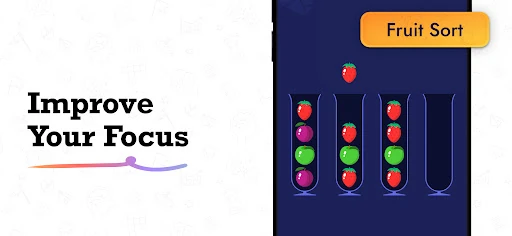
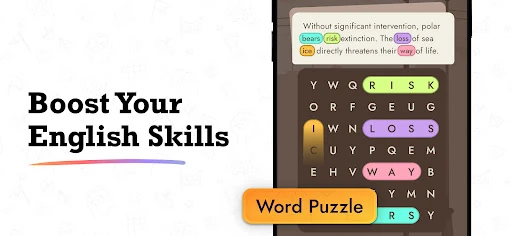
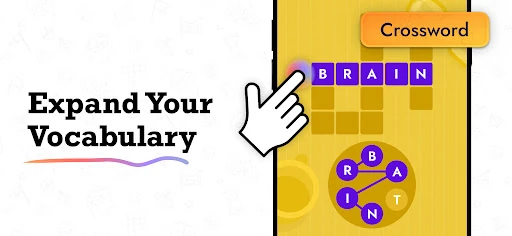
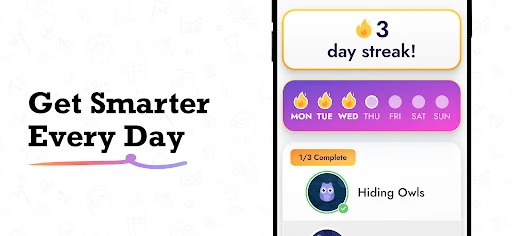
Click to download now, finish the installation quickly, and directly unlock the all-round experience
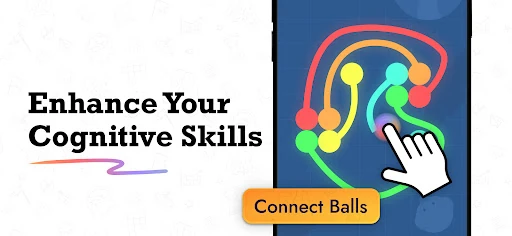
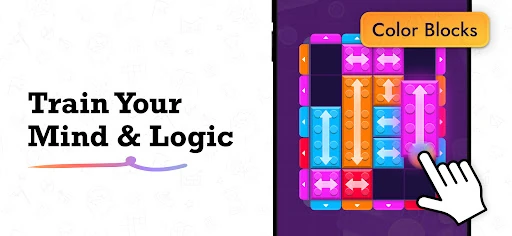
IQ Masters - Brain Games, from Deep Flow Apps, combines logic puzzles with personality and wellbeing questionnaires. It suits people who want a mix of short problem-solving challenges and prompts for self-reflection, rather than a single-purpose puzzle game or a formal course. Its Education listing has a 4.35 rating from about 125,000 reviews and more than 10 million installs.
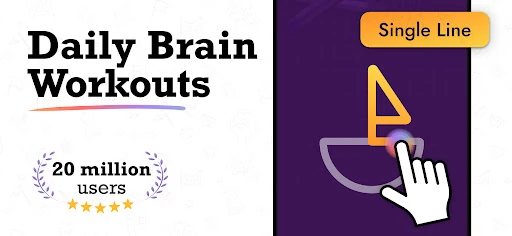
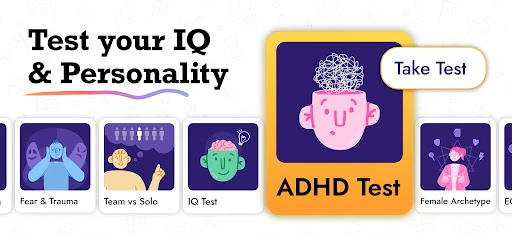
The game side includes tasks such as Towers of Hanoi and Draw One Line, which call for planning, spatial reasoning or careful movement. Alongside them are assessments covering topics such as EQ, personality, anxiety and ADHD. That range gives the app more variety than a collection of logic puzzles alone, but the activities serve different purposes: a puzzle is something to solve, while a questionnaire is a starting point for thinking about yourself.
Against alternatives focused only on brain-training games, IQ Masters offers a broader set of activities in one app. Against apps devoted to personality tests or wellbeing questionnaires, it adds playable challenges. That breadth is its clearest reason to choose it: users can switch between solving a puzzle and answering questions without picking separate apps. The trade-off is that someone seeking deep practice in one skill, or expert support for a wellbeing concern, may be better served by a more focused option.
Choose IQ Masters if you enjoy varied casual challenges and treat its assessments as informal tools for reflection. Don’t use questionnaire results as a diagnosis or substitute for professional advice; the app’s tests are not a clinical assessment. Its large install count and review history suggest a substantial audience, but the sensible choice depends on what you want from it: variety and self-reflection, not a guaranteed measure of intelligence or a structured treatment plan.